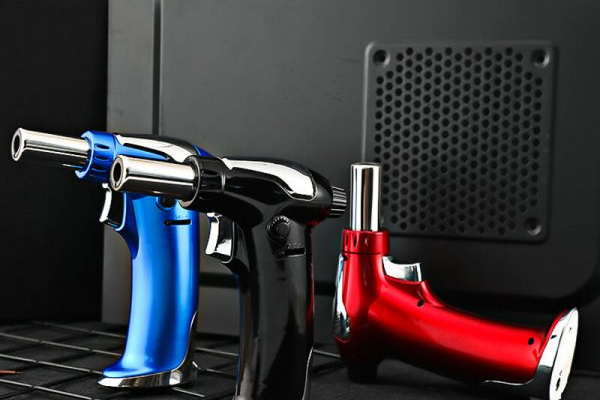
A butane torch is a powerful and versatile tool widely used for cooking, repairs, outdoor activities, and crafting. Known for its portability, efficiency, and ease of use, this tool operates at high temperatures and offers precise control. However, many users are unfamiliar with how it works. Understanding the mechanics of a butane torch can help you use it effectively and safely.
In this guide, we will explain how a butane torch works, its key components, common applications, and safety tips to maximize its potential. Whether you’re a professional chef, DIY enthusiast, or outdoor adventurer, this article will provide valuable insights.

What Is a Butane Torch?
A butane torch is a handheld device that uses butane gas as fuel to create a high-temperature flame. It is commonly used in:
Cooking: For caramelizing crème brûlée, searing meats, or toasting toppings with a blow torch kitchen tool.
Repairs and Welding: For soldering metal parts or softening materials.
Outdoor Activities: As a heat source for camping or lighting fires.
Crafting: Melting glass, metals, or other materials.
The flame produced by a butane gas torch can exceed 1000°C, making it a highly efficient heating tool for a variety of tasks.
How Does a Butane Torch Work?
The operation of a butane torch can be broken down into three core processes: fuel supply, gas vaporization and combustion, and flame control.
1. Fuel Supply
A butane gas torch uses butane fuel stored in pressurized canisters. Butane is a liquefied petroleum gas that transitions into a gaseous state when released. The torch connects to a butane canister to provide a continuous fuel source.
Fuel Canister Design: Most butane torches use disposable or refillable butane canisters for convenience.
Fuel Flow: Liquid butane moves through the torch’s valves and into the heating mechanism during use.
2. Gas Vaporization and Combustion
Once the butane is released from the canister, the torch vaporizes it and mixes it with air to create a combustible mixture.
Vaporization: The low boiling point of butane (-0.5°C) allows it to easily transition from liquid to gas under normal conditions.
Combustion Chamber: The gas enters the combustion chamber, where it mixes with air to create a balanced fuel-air mixture for a stable flame.
Ignition System: Most butane torches feature a piezoelectric ignition system. Pressing the ignition button generates a spark that ignites the butane-air mixture.
3. Flame Control
A key feature of a blow torch is its ability to adjust and control the flame for different applications.
Flame Intensity Adjustment: The torch’s valve allows you to regulate the flow of butane, controlling the size and intensity of the flame.
Flame Shape Customization: Some torches provide adjustable nozzles to switch between focused or wide flames.
Safety Mechanisms: Many models include safety locks and valves to prevent accidental ignition or gas leakage.
Key Components of a Butane Torch
To better understand its functionality, here are the primary components of a butane torch and their purposes:
1. Fuel Canister: The source of butane gas, powering the torch.
2. Valves and Regulators: Manage the flow of gas into the combustion chamber.
3. Combustion Chamber: Where butane gas is mixed with air and ignited.
4. Ignition System: Creates the spark needed to ignite the gas.
5. Nozzle: Releases the flame, with designs influencing its shape and direction.
6. Handle and Casing: Provide insulation and ease of use during operation.
7. Safety Features: Include locks and anti-flame return mechanisms to enhance user safety.
Common Applications of Butane Torches
1. Cooking
A blow torch kitchen tool is a favorite among chefs and food enthusiasts. It provides a high-temperature flame for precise culinary tasks:
- Caramelizing sugar on desserts like crème brûlée.
- Searing meat surfaces to add flavor and texture.
- Toasting marshmallows, bread, or cheese toppings.
2. Repairs and Crafting
In repairs and DIY projects, a butane torch offers high precision and efficiency:
- Soldering and welding small metal components.
- Removing stuck bolts or softening adhesives.
- Melting or shaping materials for crafting, such as glass or resin.
3. Outdoor and Emergency Uses
For outdoor enthusiasts, a blow torch is an essential tool:
- Quickly lighting campfires or barbecues.
- Providing a reliable heat source in cold environments.
- Repairing outdoor gear or processing materials on-site.
4. Emergency and Backup Heating
During power outages or gas shortages, a butane gas torch can act as a temporary heat source for cooking or warming small spaces.
Safety Tips for Using a Butane Torch
Because of its high-temperature flame and pressurized gas, using a butane torch safely is critical. Follow these tips to ensure safe and effective operation:
1. Proper Operation
- Use the torch in a well-ventilated area to avoid gas buildup.
- Ensure the butane canister is securely attached and free from leaks.
- Always turn off the gas valve after use.
2. Avoid Hazardous Locations
- Keep the torch away from flammable materials during use.
- Avoid pointing the flame at one spot for too long, which may cause fires.
3. Regular Maintenance
- Clean the nozzle and check the ignition system for proper functionality.
- Replace damaged or empty fuel canisters promptly.
4. Safe Storage
- Store the torch and fuel canisters in a cool, dry location away from heat or open flames.
- Keep the torch out of reach of children and pets.
Choosing the Right Butane Torch
When selecting a butane torch, consider your intended uses, performance needs, and safety features. Here are some practical tips:
1. Match the Torch to Your Needs
- For cooking, choose a blow torch kitchen model that offers precise flame control.
- For outdoor use, look for durable, wind-resistant designs.
- For crafting or repairs, select a torch with adjustable flame intensity and high-temperature capabilities.
2. Look for Safety Features
- Ensure the torch has safety locks and anti-flame return mechanisms.
- Choose models with a sturdy design to prevent tipping or accidental ignition.
3. Consider Fuel Compatibility
- Verify that the torch works with standard butane canisters for easy refueling.
- Refillable models are ideal for frequent users, reducing long-term costs.
Conclusion
A butane torch is an indispensable tool for professionals and hobbyists alike. Whether you’re caramelizing desserts, welding metals, or lighting campfires, its portability and high-temperature performance make it an excellent choice. By understanding its working principles, key components, and safe usage, you can make the most of this versatile tool. We offer high-quality tools designed for various applications, ensuring safety, durability, and exceptional performance. Unlock the full potential of a butane torch and elevate your cooking, crafting, or outdoor experiences today!