
A barbecue blow torch plays a crucial role in modern barbecuing and outdoor cooking. It not only adds a unique flavor to the food but also accelerates the cooking process, creating a crispy and charred surface on your ingredients. For outdoor barbecue enthusiasts, selecting the right blow torch is key to enhancing the quality of your grilling. There are many types of blow torches available in the market, and finding the one that is safe, efficient, and suitable for outdoor use can be a challenging task.
1. Understanding the Working Principle of a Barbecue Blow Torch
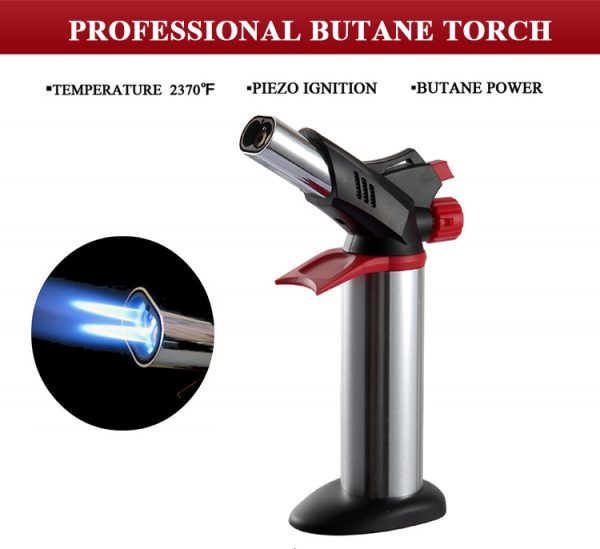
Before choosing the right barbecue blow torch, it’s important to understand its basic working principle. A blow torch works by emitting a high-temperature flame that helps cook food quickly, often used for caramelizing, smoking, or even grilling tough ingredients. Typically, a blow torch consists of three main parts: a fuel canister, an ignition system, and a nozzle.
1. Fuel:
The fuel used in a blow torch is generally gas, with the most common being liquefied petroleum gas (LPG) or butane. Choosing the right fuel type ensures that the blow torch performs well in outdoor settings and provides consistent heat.
2. Flame Power:
Flame power refers to the intensity of the flame produced by the blow torch. The higher the power, the hotter and more expansive the flame, which can affect the speed and quality of your grilling.
3. Nozzle:
The nozzle controls the shape and direction of the flame. Various nozzle designs allow for precise flame control, helping you direct heat where it is needed most.
Now that we have an understanding of the basic working principle, let’s look at how to choose the best barbecue blow torch for your outdoor grilling needs.
2. Factors to Consider When Choosing a Barbecue Blow Torch for Outdoor Use
1. Fuel Type
The two most common fuels for a barbecue blow torch are liquefied petroleum gas (LPG) and butane. Each has its own advantages depending on the outdoor conditions and the type of cooking you plan to do.
LPG (Liquefied Petroleum Gas): LPG typically offers higher flame power, making it suitable for tasks that require higher temperatures or larger flames. It is ideal for large-scale barbecues or cooking that requires longer periods of intense heat. LPG canisters tend to be larger and are better suited for outdoor use.
Butane: Butane is a more portable fuel option and is commonly used for smaller-scale or casual outdoor grilling. A barbecue butane gas lighter is easy to use and offers moderate flame power, making it ideal for quick grilling and smaller tasks. Its compact size makes it suitable for camping or picnics.
2. Flame Power
Flame power is another important factor to consider when choosing a barbecue blow torch. The flame power determines the intensity and heat output of the torch.
If you need to cook food quickly or caramelize food surfaces, a blow torch with a higher flame power is recommended. Stronger flames can reach higher temperatures and cook food faster.
For lighter grilling tasks, such as heating or slow-cooking, a torch with moderate flame power should suffice. A blow torch with too much power might scorch the food’s surface before it cooks through.
3. Nozzle Design and Flame Control
The design of the nozzle and the ability to control the flame are important aspects of a barbecue blow torch. Different nozzle designs provide different flame shapes and sizes, making it easier to control the direction and intensity of the flame.
Adjustable Nozzle: Some barbecue blow torches come with adjustable nozzles that allow you to control the size and shape of the flame. This feature is very useful for precise cooking, as it enables you to tailor the flame to your specific needs.
Fixed Nozzle: If your grilling tasks are more basic, a fixed nozzle blow torch may be sufficient. While it lacks the versatility of an adjustable nozzle, it is easy to use and provides a steady flame.
4. Durability and Wind Resistance
Since barbecuing often takes place outdoors, choosing a barbecue blow torch that is durable and wind-resistant is important. A poorly designed blow torch may be affected by wind, making it difficult to maintain a steady flame.
Durable Materials: High-quality blow torches are typically made from strong metals or heat-resistant plastics. These materials ensure the torch can withstand high temperatures and adverse weather conditions, providing long-lasting use.
Wind-Resistant Design: Many blow torches are designed with wind-resistant features to ensure a stable flame even in breezy conditions. A torch with a built-in wind guard or specialized nozzle design will prevent the flame from being extinguished by wind.
Conclusion
Choosing the right barbecue blow torch for outdoor use involves considering several factors, such as fuel type, flame power, flame control, durability, safety features, and portability. Understanding your specific grilling needs will help you select the best tool for the job. Whether you are caramelizing, smoking, or grilling, a well-chosen blow torch will enhance your outdoor cooking experience.
By considering the options outlined above, you can find a blow torch that suits your needs and ensures a safer, more efficient barbecue experience. Whether you go for a barbecue butane gas lighter or a more powerful LPG-based torch, make sure to prioritize safety and functionality in your choice.

