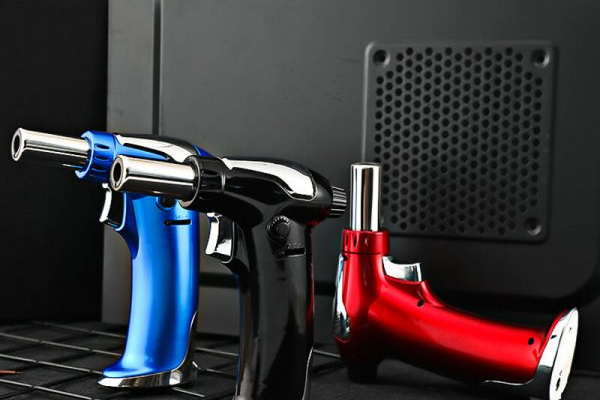
A butane torch is a versatile tool used in various settings, from cooking to DIY projects and even outdoor activities. Whether you’re caramelizing a dessert in the kitchen, lighting up a BBQ grill, or conducting small metalwork repairs, a butane torch can be extremely useful. However, it’s essential to know how to operate it safely, especially for first-time users. This guide will take you through the step-by-step process of igniting and extinguishing your bbq butane gas lighter properly. We’ll also discuss some troubleshooting tips and safety precautions to help you enjoy using your torch confidently.

Ⅰ. Getting Familiar with the Parts of a Butane Torch
Before we dive into the steps for igniting and extinguishing the butane torch, it’s crucial to understand its basic components. Knowing each part will make the operation smoother and safer.
1. Nozzle:
The nozzle is the opening where the flame comes out. It’s essential to keep it clean, as any blockage can affect the performance of the torch.
2. Fuel Tank:
The torch contains a fuel tank that stores butane gas. Make sure your torch is adequately filled before use, but be cautious not to overfill it, as this can cause issues with ignition.
3. Ignition Button:
Most best butane torch models come with an automatic ignition button, making it easy to light the torch with a single press.
4. Adjustment Knob:
This knob allows you to control the flame size, helping you adjust it based on your needs.
Understanding these components ensures that you can handle the torch confidently. Now, let’s move on to the steps for safely lighting your big butane torch.
Ⅱ. How to Properly Ignite a Butane Torch
Igniting the torch might seem straightforward, but following a structured process ensures you avoid any mishaps. Here’s a step-by-step guide:
Step 1: Safety Check
Before igniting, perform a quick safety check to ensure everything is in place. This simple step can make a big difference in preventing accidents.
1. Fuel Check: Make sure the fuel tank is properly connected and has enough gas. An underfilled or overfilled tank can lead to an unstable flame.
2. Nozzle Check: Inspect the nozzle for any dust or debris that might block the flame. If it’s blocked, gently clean it to prevent disruptions in the flame.
3. Environment Check: Choose a safe location to use the bbq butane gas lighter. Ensure you’re in a well-ventilated area and keep flammable materials out of reach.
Step 2: Release the Gas
Locate the adjustment knob on your best butane torch and turn it slightly to release a small amount of gas. It’s best to start with a low flow, which makes it easier to control the flame once ignited.
Step 3: Press the Ignition Button
With the gas flowing, press the ignition button. Most big butane torch models have an auto-ignition feature that produces a spark to light the gas. If your torch doesn’t have an auto-ignition button, use a long lighter or match to ignite the gas, but make sure to keep your hand at a safe distance from the nozzle.
Step 4: Adjust the Flame
Once you’ve ignited the butane torch, use the adjustment knob to set the flame size. Turn the knob clockwise to reduce the flame or counterclockwise to increase it. Smaller flames are suitable for precise tasks like soldering or culinary applications, while a larger flame is ideal for broader heating tasks, like lighting a BBQ or melting metal.
Ⅲ. How to Properly Extinguish a Butane Torch
Turning off the butane torch correctly is as important as igniting it safely. Here’s how to ensure it’s properly extinguished and safe for storage.
Step 1: Shut Off the Gas
After using the torch, locate the adjustment knob and turn it clockwise until it’s fully closed. This step cuts off the gas flow, ensuring the flame goes out completely and preventing any leaks.
Step 2: Allow the Nozzle to Cool
The nozzle will remain hot immediately after extinguishing the flame, especially if the torch has been in use for a while. Avoid touching it right away, as it could cause burns. Allow the nozzle to cool down for a few minutes before handling or storing the torch.
Step 3: Proper Storage
Once the butane torch has cooled down, store it in a safe place, away from direct sunlight, high temperatures, or any flammable materials. Proper storage not only prolongs the lifespan of the torch but also ensures safety for future use.
Ⅳ. Common Issues and Troubleshooting Tips for Butane Torches
Here are some common issues you might encounter while using a bbq butane gas lighter and how to troubleshoot them:
1. The Torch Doesn’t Ignite
Cause: The fuel tank might be empty, or the nozzle could be blocked.
Solution: Refill the fuel tank if necessary and clean the nozzle to ensure a smooth gas flow.
2. Unstable Flame
Cause: The gas flow might be too high, or there might be strong winds.
Solution: Adjust the gas flow to a lower level and try to use the best butane torch in a less windy environment.
3. Gas Leakage
Cause: The fuel tank might be loosely attached, or the seal might be worn out.
Solution: Check and tighten the fuel tank connection and replace any damaged seals to prevent leakage.
Ⅴ. Safety Tips for Using a Butane Torch
Safety should always be a priority when using a big butane torch. Here are some tips to help you use it safely:
1. Avoid Prolonged Use:
Using the torch for extended periods can cause the nozzle and fuel tank to overheat. Aim for sessions of about 15 minutes to prevent overheating.
2. Ensure Proper Ventilation:
Always operate the torch in a well-ventilated space. Butane gas combustion can deplete oxygen, so good airflow is essential.
3. Keep Out of Children’s Reach:
Butane torches can be dangerous for children. Make sure it’s stored safely and out of reach.
4. Regularly Check Seals:
Damaged seals can lead to gas leaks, which are dangerous. Inspect the seals before each use, and replace them if needed.
Ⅵ. Versatile Applications of a Butane Torch
Once you’ve mastered how to properly ignite and extinguish your bbq butane gas lighter, you’ll find that a butane torch is incredibly versatile. Here are some of the many ways you can use it:
1. BBQ Lighting:
Use the bbq butane gas lighter to ignite your grill quickly and easily, giving your outdoor cooking sessions a boost.
2. Culinary Arts:
The best butane torch is ideal for caramelizing sugar on desserts, roasting vegetables, or searing meat to perfection.
3. DIY Metalwork:
Great for small soldering tasks, jewelry making, or minor repairs around the house.
4. Home Repairs:
You can use a big butane torch to melt adhesives, thaw frozen pipes, or remove paint from metal surfaces.
Ⅶ. Conclusion
Mastering the art of igniting and extinguishing a butane torch is essential for safe and effective usage. By following the steps outlined in this guide, you’ll be able to use your bbq butane gas lighter or best butane torch with confidence. Remember to perform safety checks, control the flame size according to your needs, and follow storage and maintenance guidelines to prolong the life of your torch.
If you ever run into any issues, refer back to our troubleshooting tips, and feel free to contact us if you need further assistance. With the right knowledge and precautions, your big butane torch will become a handy, reliable tool for a wide range of applications.