
A gas-filled lighter is a convenient and reliable tool for lighting cigarettes, candles, grills, and many other items. However, just like any other device, it can experience issues from time to time, one of the most common being failure to ignite. Whether you’re facing a stubborn flame or an outright failure to light, there are a few reasons why your gas-filled lighter may not be working, and fortunately, there are solutions.
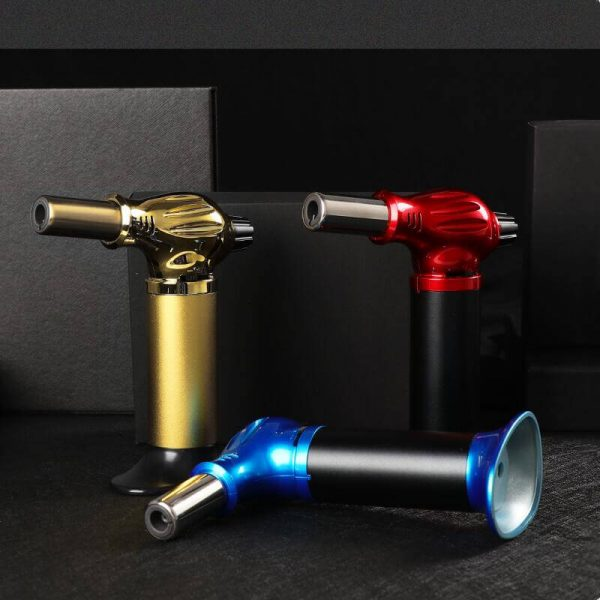
Understanding the Basics of a Gas-Filled Lighter
A gas-filled lighter works by igniting a flammable gas, usually butane, which is stored inside the lighter. When the trigger or button is pressed, it opens the gas valve, releasing the gas into a chamber, where it mixes with air. A spark generated by the ignition system then ignites the gas-air mixture, creating a flame. The design and build of your gas-filled lighter may vary, but this basic mechanism remains the same for most lighters on the market today.
However, if the gas or ignition system fails in any way, you’ll be left with a lighter that doesn’t function. A more specific issue could arise if you’re using a high temperature ignition torch style lighter, which has a more powerful flame used for applications like cooking or jewelry making. These lighters have different ignition systems, and understanding their unique features may help you resolve problems more effectively.
Common Causes of a Gas-Filled Lighter Not Igniting
1. Empty Gas Tank
The most common reason a gas-filled lighter fails to ignite is simply that it is out of fuel. When the gas tank runs dry, there is no gas to ignite, and as a result, the lighter won’t produce a flame. It’s important to check the fuel level and refill your lighter if necessary. Butane refills are widely available and easy to use.
Solution:
Refill your lighter with the appropriate fuel (usually butane) to ensure it is ready to ignite. Be sure to do this in a well-ventilated area, away from open flames or heat sources, as butane is highly flammable.
2. Clogged or Blocked Nozzle
Sometimes, the nozzle through which the gas exits can become clogged or blocked due to dirt, dust, or dried-up fuel residue. This can prevent the gas from properly flowing into the ignition chamber, and the lighter will fail to light.
Solution:
Use a small pin or needle to gently clear any debris from the nozzle. You can also blow air through the nozzle to dislodge any blockage. If this doesn’t solve the problem, the nozzle may need to be cleaned with rubbing alcohol.
3. Faulty Ignition System
A gas-filled lighter works by creating a spark to ignite the gas. If the ignition system is faulty, the spark may not be generated, preventing the lighter from igniting. A faulty spark wheel or electrical component could be the culprit.
For high temperature ignition torches, which require a stronger and more consistent spark, the ignition system is even more critical. If the ignition spark is too weak, the high-temperature flame might not be able to be produced.
Solution:
Check the ignition system for any visible damage or wear. In many cases, it’s just a matter of cleaning or replacing the spark wheel or electronic ignition system, depending on the type of lighter.
4. Low Gas Pressure
Gas-filled lighters use a pressurized system to release gas when the trigger or button is pressed. If the pressure inside the gas tank is too low, the lighter won’t be able to release enough gas to ignite. This could happen if the gas was improperly filled, or the valve may be faulty.
Solution:
Ensure that the gas canister was properly inserted and that no air is trapped inside. If the problem persists, it may be necessary to replace the gas tank or valve, particularly if you have a high temperature ignition torch, where higher pressure is often required to generate a steady flame.
5. Incorrect Flame Adjustment
Many lighters, especially high temperature ignition torches, allow for flame height adjustments. If the flame is set too low, it may not be strong enough to light properly, or it may extinguish quickly. On the other hand, if the flame is too high, it may be harder to ignite.
Solution:
Adjust the flame setting to ensure it is at an appropriate level. For high temperature ignition torches, setting the flame too high may result in fuel wasting, so find a balance that works best for your needs.
6. Cold Temperatures
Butane fuel tends to evaporate more slowly in cold temperatures, which can affect the lighter’s ability to ignite. If you’re using your gas-filled lighter in a very cold environment, the gas may not be vaporizing at the proper rate, leading to a failure to light.
Solution:
Warm up the lighter by holding it in your hand or placing it in a warm environment for a few minutes before attempting to ignite it. This allows the butane to vaporize properly and improves the likelihood of a successful ignition.
Troubleshooting Your Gas-Filled Lighter
To ensure your gas-filled lighter works efficiently, it’s important to perform routine checks. Start by inspecting the fuel level, cleaning the nozzle and ignition system, and ensuring that the lighter is in a suitable environment for proper ignition.
If the lighter still fails to ignite after these steps, it may be time to consult a lighter manufacturer for professional repairs or to consider purchasing a new lighter. Some models may have replaceable parts or warranty coverage, so reaching out to the manufacturer could save you from buying a new one.
Conclusion
A gas-filled lighter is an incredibly useful tool, but like any mechanical device, it can face issues that prevent it from working properly. From low fuel to a faulty ignition system, several factors can contribute to ignition failure. By following the troubleshooting steps outlined above, you should be able to solve most issues and get your lighter back in working order.
If you’re particularly interested in high-quality, reliable lighters, we recommend checking out products from established lighter manufacturers who specialize in high temperature ignition torches and durable, long-lasting lighters. These products are designed to perform in even the toughest conditions, ensuring that you can rely on your lighter when you need it most. Explore these options today and keep your lighting experience smooth and trouble-free.