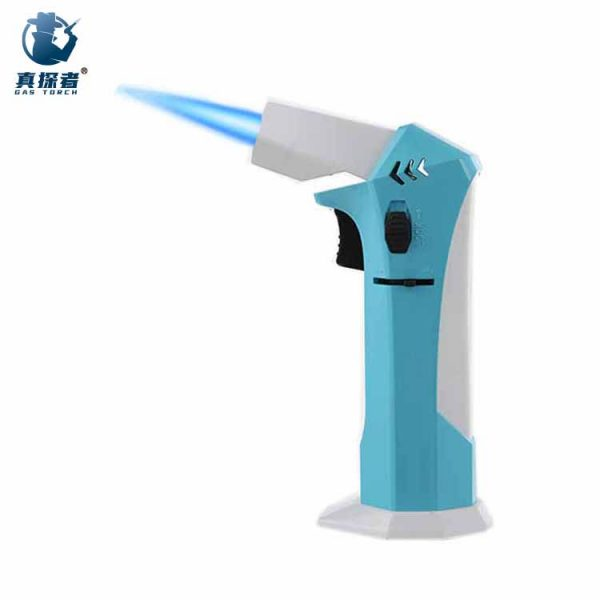
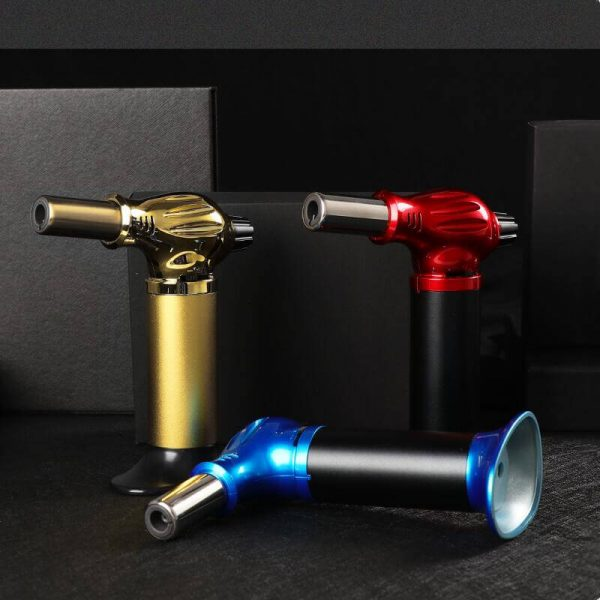
When it comes to leather work and repair, tools play a crucial role in ensuring precision and quality. One such versatile and handy tool is the butane gas lighter. This lightweight and portable device can serve multiple purposes, from sealing edges to shaping and softening leather. If you are into leather crafting or repair work, knowing how to use a butane gas lighter can significantly improve your craft and save time.

Ⅰ. Why Use a Butane Gas Lighter in Leather Work?
Leather crafting often involves tasks that require heat, such as sealing, bending, or burning edges to create a finished look. A butane gas lighter is perfect for such purposes because it provides a controlled and consistent flame. Compared to other heat sources, it’s compact, easy to handle, and delivers precision.
Additionally, the high-intensity flame of a butane lighter can heat specific areas of leather without damaging the rest of the material. This feature is particularly beneficial when working on detailed designs or delicate repairs.
Ⅱ. Key Applications of a Butane Gas Lighter in Leather Work
1.Sealing Edges
After cutting leather, the edges can appear rough and uneven. A butane gas lighter can be used to lightly burn these edges, sealing them and giving the leather a smooth and polished finish. Simply hold the lighter at a safe distance from the edge and move it back and forth quickly to avoid scorching the material.
2.Softening Leather
Leather can sometimes be stiff and challenging to shape. By applying gentle heat from a butane gas lighter, you can soften the material, making it more pliable and easier to mold into the desired shape. This is particularly useful for projects involving curved or intricate patterns.
3.Burnishing
Burnishing is the process of smoothing and rounding the edges of leather for a professional appearance. A butane lighter can assist by heating the leather just enough to make burnishing tools glide more effectively, enhancing the overall finish.
4.Removing Imperfections
Minor scratches or scuffs on leather surfaces can often be corrected with a butane gas lighter. Carefully heating the scratched area can help the leather fibers expand and fill the damaged spot, minimizing its appearance.
5.Sealing Threads
When stitching leather, the ends of the thread can be melted with a butane gas lighter to prevent unraveling. This not only strengthens the stitching but also improves the aesthetic of the finished product.
Ⅲ. Steps to Use a Butane Gas Lighter for Leather Crafting
If you’re new to using a butane gas lighter for leather work, follow these simple steps to ensure safety and precision:
1.Prepare Your Workspace
Work in a well-ventilated area to avoid inhaling fumes. Keep flammable materials away from your workspace.
2.Choose the Right Butane Gas Lighter
Opt for a lighter with an adjustable flame. This allows you to control the intensity of the heat, which is critical for delicate leather work.
3.Refill the Lighter
If your lighter runs out of fuel, refill it with butane gas. For this, you can purchase a butane gas filling lighter from a reliable supplier. Ensure you’re using high-quality butane to maintain the performance of your lighter.
4.Test the Flame
Before using the lighter on leather, test the flame on a scrap piece to check its intensity and ensure you’re comfortable handling it.
5.Apply Heat Gradually
Always start with a low flame setting. Hold the lighter a few inches away from the leather and move it consistently to avoid overheating any particular spot.
6.Monitor Your Work
Keep a close eye on the leather as you work with heat. Leather can scorch or shrink if exposed to high temperatures for too long.
Ⅳ. Where to Source Butane Gas Lighters and Refills
High-quality tools are essential for achieving professional results in leather crafting. To ensure reliability, purchase your lighter and refills from reputable sources. Look for a butane gas filling lighter wholesaler who offers durable and long-lasting products. Buying from a wholesaler can also save you money if you frequently use butane lighters in your projects.
Ⅴ. Troubleshooting Common Issues
If you encounter problems while using your butane gas lighter, here are some quick fixes:
Weak Flame: Check if the lighter is running low on fuel and refill it with butane gas.
Clogged Nozzle: Clean the nozzle with a fine needle to remove any blockages.
Flame Won’t Ignite: Ensure the lighter is properly filled and the ignition mechanism is functioning correctly.
Conclusion
A butane gas lighter is a versatile and indispensable tool for leather crafting and repair. From sealing edges to softening stiff leather, its applications are numerous and valuable. Whether you’re a beginner or an experienced leatherworker, mastering the use of this tool will enhance your craftsmanship. Don’t forget to source your tools and supplies, such as butane gas filling lighters and refills, from trusted wholesalers to ensure quality and reliability.
With proper care and safe handling, your butane gas lighter will serve you well in all your leather crafting endeavors. Start experimenting with this tool today, and watch your leather projects transform into professional-grade masterpieces!