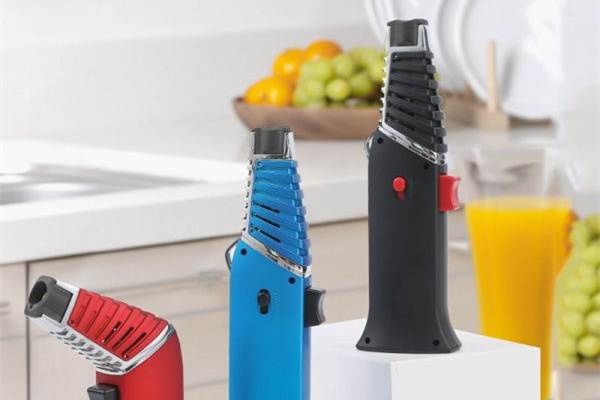
A butane lighter is a versatile and convenient tool for outdoor enthusiasts, whether you’re camping, hiking, or simply lighting a grill at a picnic. Unlike traditional lighters, butane lighters are designed to provide a clean, efficient, and wind-resistant flame, making them ideal for outdoor use. However, using a butane lighter outdoors requires careful attention to safety and performance. From understanding environmental factors to ensuring proper maintenance, there are several precautions you should take to ensure your butane lighter operates safely and effectively.

1. Understand the Operating Mechanism
Before using your butane lighter outdoors, it’s crucial to familiarize yourself with its mechanism. Butane lighters work by releasing pressurized butane gas, which ignites when exposed to a spark. This clean-burning gas produces a steady flame that is more reliable than traditional fuel-based lighters in outdoor conditions.
Tips:
Always follow the manufacturer’s instructions for operation and refilling.
Avoid tampering with the internal mechanism, as it could affect performance and safety.
If you’re purchasing a lighter for outdoor use, choose a high-quality butane gas outdoor lighter designed to withstand harsh conditions like strong winds and low temperatures.
2. Check Weather Conditions
Weather conditions can significantly impact the performance of your butane lighter. While butane lighters are generally more wind-resistant than traditional lighters, extreme conditions like strong winds, rain, or freezing temperatures can pose challenges.
Precautions:
Wind: Even though many butane lighters are designed with windproof capabilities, avoid using them in excessively windy conditions where the flame might be extinguished or difficult to control.
Cold Temperatures: Butane gas can become less effective in freezing temperatures. To maintain functionality, keep your lighter warm by storing it in a pocket close to your body.
Rain or Moisture: Avoid exposing your butane lighter to water or rain, as moisture can damage its internal components. Keep it in a waterproof container or pouch when not in use.
3. Refill Safely
One of the major advantages of a butane lighter is its refillable design, which allows for long-term use. However, refilling requires careful handling to prevent accidents.
Precautions for Refilling:
Use high-quality butane gas for refilling, as low-grade gas may clog the lighter’s nozzle.
Refuel in a well-ventilated area to avoid the accumulation of butane vapors, which can be flammable.
Avoid overfilling the lighter, as it can cause gas leakage, leading to malfunction or accidental ignition.
Ensure the lighter is completely cool before refilling to reduce the risk of ignition.
When refilling or troubleshooting your lighter, consult guidance from a trusted butane lighter manufacturer to ensure you’re following best practices and using the appropriate tools.
4. Store Butane Lighters Properly
Proper storage of your butane lighter is essential for safety, particularly when you’re using it outdoors. Butane gas is highly flammable, and improper storage can lead to accidents.
Storage Tips:
Avoid Extreme Temperatures: Do not store your butane lighter in extremely hot or cold environments. Prolonged exposure to heat can increase pressure inside the lighter, leading to leaks or even explosions.
Keep Away from Flames: Store your lighter in a location free from open flames or sources of high heat, such as stoves or campfires.
Use a Protective Case: Invest in a sturdy protective case to prevent accidental activation and shield the lighter from physical damage.
A durable butane gas outdoor lighter often comes with safety features and a protective design to enhance storage and transport convenience.
5. Handle with Care
While butane lighters are designed for safe usage, mishandling them can result in accidents. Pay close attention to how you operate and carry your lighter, especially in outdoor settings where distractions or uneven terrain may lead to mistakes.
Handling Tips:
Always keep your fingers away from the flame and nozzle while the lighter is in use.
Never point the lighter at yourself or others, even when it’s not lit.
Do not use the lighter near flammable materials like dry leaves, paper, or fuel containers.
Allow the lighter to cool down after prolonged use before storing it.
6. Inspect Your Lighter Regularly
Outdoor use can subject your butane lighter to wear and tear, so regular inspection is necessary to maintain its functionality and safety.
What to Check:
Flame Consistency: Ensure the flame is steady and not flickering. An inconsistent flame may indicate a blockage or low fuel.
Nozzle Condition: Inspect the nozzle for dirt, dust, or residue that could obstruct gas flow.
Gas Leaks: Check for any unusual smells or hissing sounds, which could indicate a gas leak. Stop using the lighter immediately if you suspect a leak.
For repairs or replacement parts, consult a reliable butane lighter manufacturer to ensure you’re using high-quality components designed for your lighter model.
Conclusion
A butane lighter is an invaluable tool for outdoor activities, but it must be used responsibly to ensure safety and efficiency. From understanding how weather conditions affect its performance to proper handling, refilling, and storage, these precautions will help you get the most out of your butane lighter while minimizing risks. Whether you’re using a standard lighter or a specialized butane gas outdoor lighter, following these tips can ensure a reliable flame for all your outdoor needs.
When selecting a new lighter or seeking maintenance advice, partnering with a reliable butane lighter manufacturer is crucial for accessing high-quality products and expert guidance. By taking the proper precautions and investing in a durable, high-performance lighter, you can enjoy a safe and hassle-free outdoor experience.