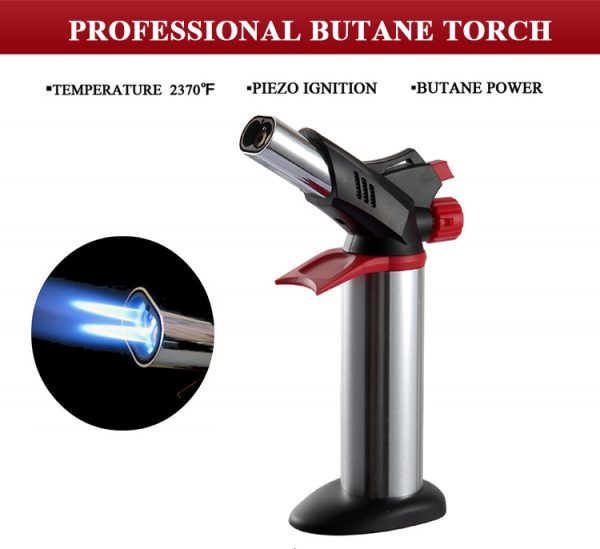
When it comes to igniting your grill, the trusty barbecue lighter is a staple tool found in almost every backyard chef’s arsenal. But have you ever wondered about the mechanics behind this humble device or why sometimes it just doesn’t get the job done as efficiently as you’d like? In this article, we’ll dive deep into the intricacies of barbecue lighters, from their underlying technology to the best practices for using them. We’ll explore the following themes:
- The Technology Behind Barbecue Lighters
- Common Problems and Solutions
- Alternatives to Standard Barbecue Lighters
- Safety and Best Practices
1. The Technology Behind Barbecue Lighters
The core technology that powers most barbecue lighters is based on the piezoelectric effect. Inside the lighter, a small crystal—commonly lead zirconate titanate (PZT)—is used to generate a spark. When you press the ignition button, the mechanism compresses the crystal, creating a high-voltage potential that leaps across a small gap, resulting in a spark. This spark then ignites the butane gas, producing a flame that can be used to start your grill.

But what exactly is the piezoelectric effect? It’s a phenomenon discovered over a century ago, where certain materials generate an electric charge in response to mechanical stress. This property is not only used in barbecue lighters but also in various industries, from medical devices to automotive fuel injectors. However, while the principle may be sound, its application in lighters has its drawbacks.
Spark ignition is efficient when it comes to cost and design simplicity, but it’s not always the most reliable method for igniting an air-fuel mixture. This is because the air-fuel ratio—also known as the mixture stoichiometry—can be inconsistent, particularly in environments like a gas grill where wind and temperature play a significant role. If the mixture is too lean or too rich, the spark might not be enough to ignite the gas. That’s why, more often than not, you find yourself clicking the barbecue lighter multiple times before it finally catches.
2. Common Problems and Solutions
It’s a common experience: standing over your grill, repeatedly clicking the lighter button, and wondering why the flame won’t catch. This is a frustration shared by many, but understanding the reasons can help alleviate the issue. Here are some common problems with barbecue lighters and how you can address them:
Low Fuel Levels
The first and most obvious issue could be the butane level inside the lighter. Even if it’s partially full, low fuel can make it difficult for the gas to mix properly with air, leading to ineffective ignition. Before you start grilling, check the little window on the side of your lighter to ensure there’s enough fuel. This small step can save you from a lot of hassle later.
Temperature Sensitivity
Butane, the fuel used in most barbecue lighters, is temperature-sensitive. When it gets too cold, the liquid butane inside the lighter struggles to vaporize, which means there’s less gas available to ignite. To counter this, try warming the lighter in your hands for a minute or so before using it. Alternatively, you can store it in a slightly warmer place before starting your grill.
Moisture and Corrosion
Another factor that could interfere with the lighter’s function is moisture. If the lighter has been left outside or exposed to rain, water might have infiltrated the internal components, causing rust or reducing the efficacy of the piezoelectric spark. In such cases, drying the lighter thoroughly and storing it in a dry place can make a significant difference. Moreover, avoiding leaving the lighter out in the rain will prevent any corrosion of the electrodes, which can weaken the spark and lead to ignition failure.
3. Alternatives to Standard Barbecue Lighters
If you’ve found yourself consistently frustrated with standard barbecue lighters, it might be time to consider some alternatives. While the classic lighter gets the job done most of the time, there are other methods that might be more reliable, especially under specific conditions.
Electric Arc Lighters
One of the most popular alternatives in recent years is the electric arc lighter. Unlike traditional lighters that rely on a butane flame, these use a small electric arc—essentially a concentrated, high-voltage spark—to ignite. They are USB rechargeable and can function well even in windy conditions, making them an excellent choice for outdoor use. Plus, without the need for refilling butane, they’re often seen as a more eco-friendly option.
Matches and Flint Strikers
Sometimes, simplicity is best. A traditional strike-anywhere match can be more reliable than a barbecue lighter, especially in situations where moisture or cold has affected the performance of a standard lighter. Matches don’t rely on butane, and as long as they’re kept dry, they’ll always be ready to light. Flint strikers, often used by campers, are another reliable tool for starting a fire, though they may require a bit more effort and technique.

4. Safety and Best Practices
Using a barbecue lighter seems straightforward, but there are several safety considerations to keep in mind to ensure you and those around you stay safe while grilling.
Safe Storage and Handling
Always store barbecue lighters in a cool, dry place. Exposure to heat, especially for prolonged periods, can lead to the pressurized butane inside expanding, potentially causing leaks or even explosions. When handling a lighter, make sure to keep it away from your face and other flammable materials. You might be tempted to lean in closer when the grill isn’t lighting, but this can be dangerous if the gas has been building up and suddenly ignites.
Inspect Before Use
Before using your barbecue lighter, check for any visible signs of damage, such as cracks in the casing, a loose ignition button, or rust near the nozzle. These can all be indicators that the lighter may not work as intended, and using a damaged lighter can be hazardous.
Avoid Prolonged Use
While it might seem harmless, holding the ignition button down for long periods can overheat the lighter and lead to malfunction. Instead, if it doesn’t ignite within a few tries, give it a break and check if there might be another issue, such as low fuel or a blockage. In extreme cases, repeated failure could indicate a defective unit that should be replaced.
Lighting Fixtures: Modern Uses and Adaptations
It’s interesting to note that the concept of lighting fixtures extends beyond traditional tools like matches and lighters. Modern barbecue lighters can be considered a form of portable lighting fixture, designed specifically to deliver a concentrated flame for a specific use. They have adapted from old methods of fire-starting, incorporating technology to provide a safer, more controlled experience. As grilling technology advances, we might see even more sophisticated, efficient designs emerge, further improving our outdoor cooking experiences.
Conclusion: Understanding and Choosing the Right Barbecue Lighter
While barbecue lighters are ubiquitous and relatively simple tools, there’s a surprising amount of engineering that goes into them. Understanding how they work, why they might fail, and what alternatives are available can help ensure you have a smoother, frustration-free grilling experience. Whether you choose to stick with the classic butane lighter, switch to an electric arc lighter, or even go back to basics with matches, the key is knowing how to handle and maintain your tools.
As you gear up for your next barbecue session, take a moment to appreciate the little device in your hand. It’s more than just a simple tool; it’s a result of years of engineering development and innovation. So next time your barbecue lighter sputters and fails, you’ll know exactly why—and, more importantly, how to fix it or find an alternative.