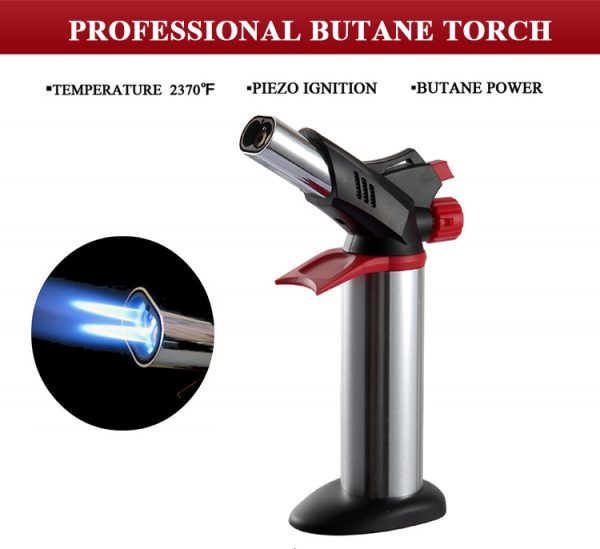
Barbeque lighters are essential tools for grilling enthusiasts. Whether you’re lighting up a charcoal grill or starting a gas-powered barbecue, these devices make it easy to ignite your cooking fire safely and efficiently. However, like any tool involving fire and gas, barbeque lighters can sometimes overheat, posing potential safety risks if not handled properly. If you’ve ever found yourself dealing with an overheating barbecue lighter, this guide will walk you through the safest cooling methods, preventive measures, and maintenance tips to keep your grilling experience worry-free.

Why Do Barbecue Lighters Overheat?
Overheating in barbeque lighters can occur for several reasons. Understanding the causes is the first step toward addressing the issue effectively. Here are the most common reasons why a barbecue lighter might overheat:
1. Prolonged Use
Continuous use of the lighter without allowing it to cool can cause its metal parts to overheat. This is particularly common when lighting large grills or multiple burners.
2. High Ambient Temperature
Using the lighter in extremely hot environments or leaving it in direct sunlight can elevate its internal temperature, leading to overheating.
3. Malfunctioning Components
Faulty ignition systems or damaged fuel chambers can cause heat to build up rapidly.
4. Improper Storage
Storing your lighter near heat sources or in areas with poor ventilation can contribute to overheating when it’s eventually used.
What to Do If Your Barbecue Lighter Overheats
If you notice your barbecue lighter becoming excessively hot, it’s crucial to act quickly and safely. Follow these steps to cool down the lighter without causing harm to yourself or others.
1. Stop Using the Lighter Immediately
The first and most important step is to stop using the lighter as soon as you notice it overheating. Continuing to use it can worsen the situation and increase the risk of accidents.
2. Place It on a Heat-Resistant Surface
Set the lighter down on a non-flammable, heat-resistant surface such as a metal tray, concrete floor, or a stone countertop. This prevents accidental ignition of nearby objects.
3. Allow It to Cool Naturally
Let the lighter cool down naturally in a well-ventilated area. Avoid placing it in confined spaces, as this can trap heat and prolong the cooling process. Never attempt to submerge it in water, as this could cause damage to the lighter or lead to a dangerous reaction if the lighter is gas-powered.
4. Check for Signs of Damage
Once the lighter has cooled, inspect it for signs of damage, such as cracks, warping, or leaks. If you detect any issues, discontinue use immediately and replace the lighter.
5. Use Safe Cooling Aids
If you need to cool the lighter more quickly, you can use a barbecue heat spray gun, a tool designed to disperse heat efficiently from hot surfaces. These spray guns are particularly helpful for cooling metal components safely without introducing moisture.
Preventive Measures to Avoid Overheating
Prevention is always better than cure. By following these preventive measures, you can minimize the risk of your barbecue lighter overheating and ensure a safer grilling experience.
1. Choose High-Quality Lighters
Investing in high-quality lighters from reputable barbecue lighter manufacturers can significantly reduce the chances of overheating. These manufacturers design their products with safety features, such as heat-resistant materials and auto-shutoff mechanisms, to prevent overheating.
2. Avoid Prolonged Use
Limit the duration of continuous use to prevent heat buildup. If you’re lighting a large grill or multiple burners, allow the lighter to cool for a few minutes between uses.
3. Store the Lighter Properly
Always store your barbecue lighter in a cool, dry place away from direct sunlight and heat sources. Ensure the storage area has good ventilation to prevent the lighter from absorbing excess heat.
4. Inspect the Lighter Regularly
Regular maintenance and inspection are key to identifying potential issues before they escalate. Check for loose components, fuel leaks, or any signs of wear and tear. If you notice anything unusual, consult the manufacturer’s guidelines or replace the lighter.
5. Use Heat Shields
Heat shields or guards can be used to protect the lighter from excessive heat exposure during use. Some advanced lighters even come with built-in heat-resistant casings to ensure safer handling.
6. Don’t Overfill Gas Chambers
Overfilling the gas chamber can lead to increased pressure and heat during use. Always follow the manufacturer’s instructions for refueling and avoid overfilling the lighter.
What to Avoid When Handling an Overheated Barbecue Lighter
When dealing with an overheating lighter, there are some actions that should be strictly avoided to prevent accidents:
1. Do Not Submerge It in Water
As tempting as it may be to cool the lighter quickly, water can damage its internal components or cause a gas-powered lighter to malfunction.
2. Do Not Touch It with Bare Hands
Avoid handling the lighter directly until it has cooled completely. Use tongs or gloves if you need to move it.
3. Do Not Store It Immediately After Use
Allow the lighter to cool completely before storing it. Placing a hot lighter in a storage compartment can trap heat and potentially lead to accidents.
4. Do Not Attempt DIY Repairs
If your lighter shows signs of malfunction after overheating, do not attempt to fix it yourself. Contact the manufacturer or purchase a replacement.
Conclusion
Overheating in barbeque lighters can pose safety risks, but by following the right steps, you can cool them down safely and prevent future occurrences. Always prioritize high-quality products from trusted barbecue lighter manufacturers, and consider tools like a barbecue heat spray gun to help manage heat more effectively.
With proper care, maintenance, and safety practices, your barbecue lighter will remain a reliable companion for countless grilling sessions, ensuring that your barbecue experience is both enjoyable and accident-free. Happy grilling!