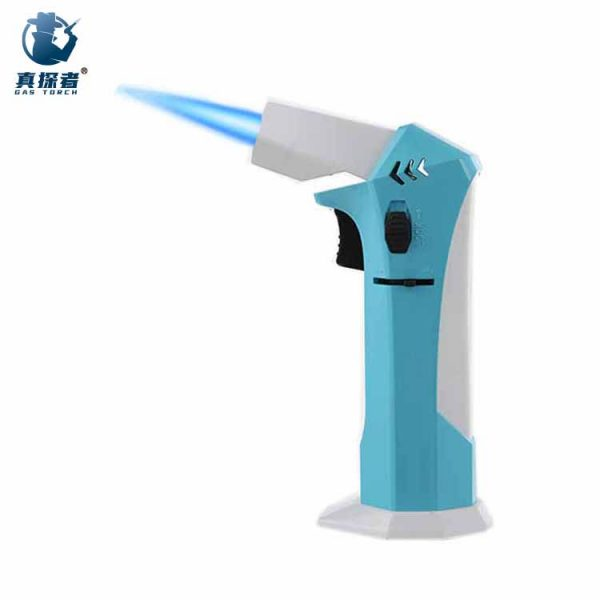
The modern kitchen, especially in the professional culinary world, is a hub of innovation and creativity. Tools that make cooking easier, faster, and more precise are in high demand. One such tool that has revolutionized how chefs work is the chef lighter. While seemingly a small gadget, its functionality extends far beyond what meets the eye. A chef lighter is not just a tool to ignite a flame; it is an indispensable helper in the professional kitchen, adding convenience, precision, and a touch of flair to culinary creations.

The Role of the Chef’s Lighter in Professional Kitchens
In a fast-paced restaurant environment, every second counts. Chefs need reliable tools to perform quick tasks without compromising on quality. The chef lighter is one such device, offering a powerful flame that can be used for various purposes:
1. Lighting Stoves and Ovens
The most basic use of a chef lighter is to ignite stoves, ovens, or grills. Unlike regular lighters, which may struggle with durability or fuel efficiency, professional-grade lighters are designed for prolonged use in high-pressure environments.
2. Finishing Dishes
Many culinary dishes require finishing touches that only a controlled flame can provide. This is where the chef’s torch feature of certain lighters comes into play. For instance, creating a perfectly caramelized crème brûlée or adding a smoky flavor to meats and vegetables becomes effortless with the high-intensity flame provided by a chef’s torch.
3. Food Presentation and Aesthetics
In professional kitchens, food presentation is as important as taste. A chef lighter can be used to create visually stunning effects, like slightly charring edges, melting cheese evenly, or crisping up the skin on a perfectly roasted piece of chicken. These details can take a dish from good to extraordinary.
Features That Set Professional Chef Lighters Apart
When it comes to professional kitchens, not all lighters are created equal. Leading chef lighter manufacturers have integrated cutting-edge technology to design lighters that meet the unique needs of chefs. Here are some features that make these tools indispensable:
1. Durability and Build Quality
Professional-grade chef lighters are built to last. With materials like stainless steel or heat-resistant plastics, these lighters can withstand the rigorous demands of a busy kitchen.
2. Adjustable Flame Control
Precision is critical in professional cooking. Lighters with adjustable flame control allow chefs to fine-tune the intensity of the flame, whether they need a gentle simmer for delicate dishes or a roaring flame for quick searing.
3. Ergonomic Design
Comfort and ease of use are essential when using any tool repeatedly. The ergonomic designs by leading chef lighter manufacturers ensure that the lighter fits comfortably in the hand, reducing fatigue during extended use.
4. Safety Features
Safety is paramount in a kitchen environment. Professional lighters often come with child locks, flame guards, and non-slip grips to prevent accidents.
5. Fuel Efficiency and Refillability
High-quality chef lighters are designed to be fuel-efficient and easily refillable, making them an eco-friendly and cost-effective choice for chefs.
How a Chef’s Torch Enhances Culinary Creativity
One of the standout features of many chef lighters is the integration of a chef’s torch. This powerful tool opens up a world of culinary possibilities that go beyond the basics of lighting a flame. Here are some creative ways chefs use a chef’s torch:
1. Caramelizing Desserts
Desserts like crème brûlée and meringues require precision caramelization. A chef’s torch allows chefs to apply heat directly to the sugar layer, creating a perfectly golden, crunchy crust without heating the entire dessert.
2. Searing Meat and Seafood
A chef’s torch can be used to sear the surface of meats and seafood, enhancing their flavor profile and giving them a restaurant-quality appearance. For instance, sushi chefs often use torches to lightly char fish, adding a smoky element to sashimi dishes.
3. Melting and Toasting
Whether it’s melting cheese on French onion soup or toasting marshmallows for a gourmet dessert, a chef’s torch delivers precision and speed that other tools can’t match.
4. Infusing Flavors
Chefs often use torches to char herbs, spices, or even citrus fruits, releasing their essential oils and smoky aromas to enhance the overall flavor of a dish.
Why Professional Kitchens Trust Leading Chef Lighter Manufacturers
The reliability and innovation of a chef lighter often depend on the expertise of the chef lighter manufacturer. Top manufacturers invest heavily in research and development to create products that cater to the needs of chefs worldwide. Here’s why professionals trust these brands:
1. Rigorous Quality Control
Leading chef lighter manufacturers ensure that their products go through strict quality control processes to meet safety and performance standards.
2. Innovation and Customization
By constantly innovating, manufacturers introduce new features, such as wind-resistant flames for outdoor use or dual-flame options for versatile applications.
3. Sustainability Efforts
Many manufacturers are now focusing on creating eco-friendly lighters with refillable designs, reducing waste and promoting sustainability.
4. Customer Support and Warranties
Professional chefs rely on their tools daily. Manufacturers that offer excellent customer support and warranties build trust and long-term relationships with their clients.
Conclusion
In the professional kitchen, every tool serves a purpose, and the chef lighter is no exception. From lighting flames to adding the final touches to a dish, its versatility and reliability make it an invaluable asset. With the integration of chef’s torch features and advancements by trusted chef lighter manufacturers, this humble tool has transformed into a sophisticated device that enhances culinary creativity and efficiency.
Whether you’re a professional chef or a passionate home cook, investing in a high-quality chef lighter can elevate your cooking experience and inspire new culinary adventures. After all, sometimes the smallest tools make the biggest difference.